


-

Add: HeBei ShengShi HongBang Cellulose Technology CO.,LTD.
-

Email
13180486930@163.com -

CONTACT US
+86 13180486930




Гидроксипропилметилцеллюлоза (гипромеллоза) капсулы становятся все более популярными на мировом рынке благодаря своим многочисленным преимуществам в сравнении с традиционными капсулами, изготовленными из желатина. Гипромеллоза - это полимер природного происхождения, который делает эти капсулы более устойчивыми и экологически чистыми. Давайте более подробно рассмотрим преимущества и динамику рынка HPMC капсул, опираясь на реальный опыт, экспертное мнение и данные исследований. Рынок капсул из гипромеллозы значительно вырос в последние годы, и прогнозы указывают на дальнейший рост в связи с увеличением спроса на растительные альтернативы в фармацевтической и пищевой промышленности. Все большее количество потребителей переходит на веганский образ жизни, что способствует увеличению спроса на растительные продукты, в том числе и капсулы. В связи с этим, производители в сфере капсул переходят на использование гипромеллозы, которая удовлетворяет эти новые потребности. Экспертные исследования показывают , что капсулы из гипромеллозы обладают рядом преимуществ. Они характеризуются высокой стабильностью относительно различных условий окружающей среды, таких как температура и влажность. Это свойство делает их особенно подходящими для доставки активных веществ, которые могут быть нестабильны в капсулах из животного желатина. Помимо этого, капсулы HPMC являются безопасными для широкой целевой аудитории, включая людей с различными диетическими ограничениями, такими как веганы, вегетарианцы и те, кто страдает аллергией на определенные компоненты животного происхождения. Они также гипоаллергенные, что делает их более привлекательными на рынке с точки зрения безопасности и толерантности. Рыночная экспертиза показывает, что инновации в производственных процессах HPMC капсул ускоряют их адаптацию в фармакологии и в сфере спортивного питания. Процесс производства более экологичен, что привлекает внимание компаний, стремящихся к устойчивому развитию. Такие изменения, как снижение выбросов углерода и уменьшение зависимости от животных источников, добавляют HPMC капсулам репутацию экологически безопасного выбора. Рынок капсул HPMC Авторитетные агентства по контролю качества и безопасности продуктов одобряют гипромеллозные капсулы, подтверждая их неоспоримую пользу и безопасность. Все больше исследовательских учреждений подтверждают их эффективность в доставке лекарственных средств, что создает дополнительный доверие к этому продукту среди медицинских работников и конечных потребителей. На данный момент существует несколько ключевых игроков на рынке, активно продвигающих и внедряющих продукты на основе гипромеллозы. Эти компании делают акцент на инновационные методологии производства, обеспечивая тем самым высокое качество и соответствие международным стандартам. Потребительское доверие к HPMC капсулам постоянно растет, благодаря чему они становятся не только популярным выбором среди пользователей, но и надежным партнером для врачей и фармакологов. Фактические данные потребительских опросов говорят о положительном восприятии и большей удовлетворенности данным продуктом. Таким образом, рынок капсул из гипромеллозы продолжает активно развиваться, предъявляя высокие стандарты качества и безопасности. Основанный на экспертных знаниях, доверии и длительном опыте пользователей и производителей, он обещает оставаться устойчивым трендом в мире капсул.
- 40000tons

Production
- 20+years

Experience
- 5000+㎡

Acreage

-
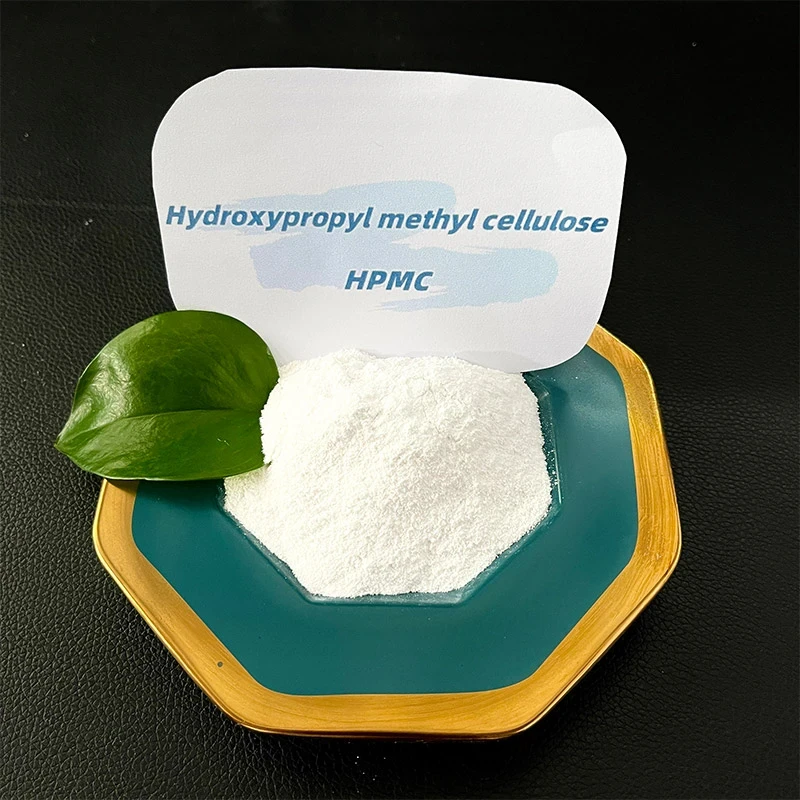
Understanding Cellulose in Wood Cellulose is a vital organic polymer that plays a crucial role in the structural integrity of plants, particularly in wood. Found in the cell walls of plants, cellulose is the most abundant organic polymer on Earth, serving as a fundamental building block for plant structure and growth. This article explores the attributes of cellulose in wood, its function, and its significance in various applications. What is Cellulose? Cellulose is a polysaccharide composed of long chains of glucose units linked together by β-1,4-glycosidic bonds. This arrangement forms a rigid, linear structure that contributes to the tensile strength of plant cell walls. Cellulose molecules aggregate to form microfibrils, which bundle together to create fibers that provide support and rigidity to the plant. In wood, the cellulose content is a significant factor in determining the mechanical properties and durability of the timber. Role of Cellulose in Wood Structure In woody plants, cellulose works in concert with other polysaccharides, such as hemicellulose and lignin, to create a robust and resilient structure. Hemicellulose, which consists of shorter chains and various sugar monomers, acts as a filler that binds with cellulose fibers, while lignin provides additional strength and resistance to decay. The combination of these components contributes to the overall strength, flexibility, and resistance to environmental factors that wooden structures exhibit. Wood's cellulose content typically ranges between 40% to 50%, depending on the species and age of the tree. This high cellulose concentration is responsible for the characteristic properties of wood, including its ability to withstand tension and compression forces, making it an excellent building material. The Importance of Cellulose in Various Industries what is cellulose in wood Beyond its structural role in wood, cellulose has significant implications in various industries. In the paper and pulp industry, cellulose is extracted from wood using chemical processes to manufacture paper products. The purity and integrity of cellulose are critical for producing high-quality paper, which is used in everything from books to packaging materials. In addition, cellulose has garnered attention in sustainable practices and renewable resources. Biofuels made from cellulose, such as cellulosic ethanol, have emerged as an alternative to fossil fuels. These biofuels are derived from non-food plant materials, providing a sustainable energy source that can help reduce greenhouse gas emissions and reliance on non-renewable resources. Furthermore, cellulose is utilized in the textile industry to produce materials like rayon and lyocell. These fabrics, derived from processed cellulose, are known for their softness and absorbency, making them popular choices for clothing and home textiles. Research and Development in Cellulose Applications Ongoing research is focused on enhancing the efficiency of cellulose extraction processes and exploring new applications. Advances in biotechnology may lead to more sustainable methods of sourcing and processing cellulose, ultimately supporting a transition to greener practices across multiple sectors. Additionally, nanocellulose, a derivative of cellulose produced at the nanoscale, shows promise in various applications, including composites, coatings, and even biomedical materials. Its lightweight yet strong properties make it attractive for innovative uses that could transform industries ranging from packaging to electronics. Conclusion Cellulose in wood is a prime example of nature's ingenuity. Its robust structure not only supports the plant but also provides a plethora of opportunities for human applications. As we continue to explore its potential through research and innovation, cellulose remains at the forefront of sustainable development, bridging the gap between ecological responsibility and industrial advancement. Understanding the role of cellulose in wood is crucial for harnessing its benefits in a world increasingly focused on sustainability and renewable resources.
-
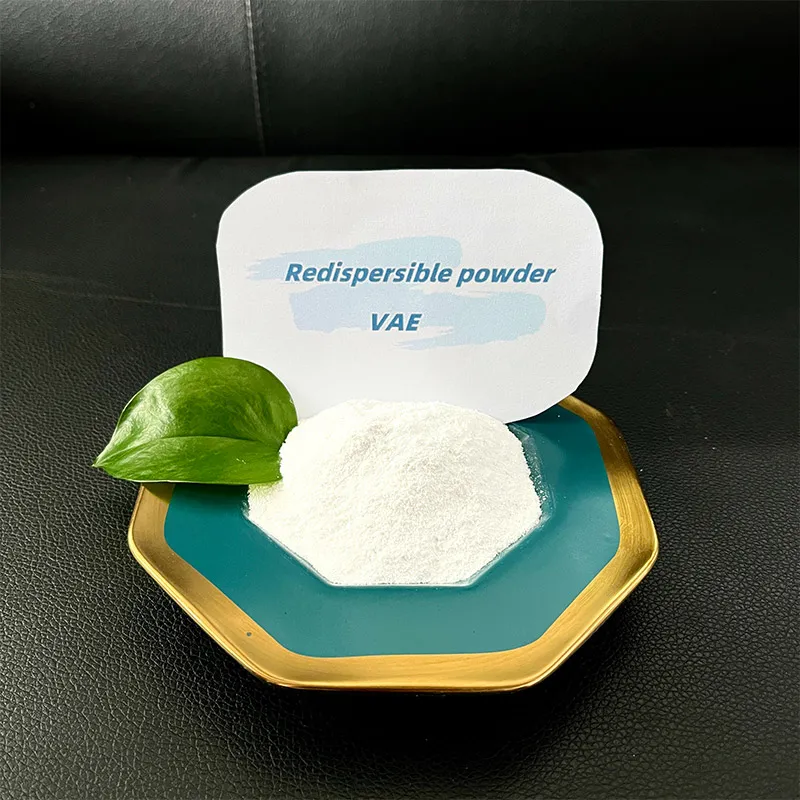
Utilizing Hydroxypropyl Methylcellulose (HPMC) in Skim Coats Expert Insights Hydroxypropyl Methylcellulose (HPMC) has emerged as a vital component in the construction industry, particularly in the formulation of skim coats. Its application not only enhances the overall quality of the finish but also optimizes the working conditions for contractors. As an expert delves into the nuanced benefits of HPMC for skim coats, it becomes evident that it is an indispensable material fostering exceptional results, grounded in its scientific properties and practical application. When it comes to producing a smooth, durable skim coat, understanding the precise role of HPMC is critical. Serving as a thickener, binder, film-former, and water retention agent, HPMC fortifies the coat, ensuring its consistent texture and durability. Its ability to improve the workability of the plaster or stucco by controlling its viscosity places it in high regard among applicators aiming for precision and ease of application. In practical settings, the water retention capacity of HPMC allows for extended working times which becomes crucial in high-temperature or low-humidity environments. This property not only ensures that the coat does not set too quickly, allowing for leisurely manipulations and adjustments but also aids in preventing cracks that might occur due to rapid evaporation of water from the mix. The excellent tensile strength provided by HPMC ensures that the final set coat is not only visually appealing but also robust in structure. Another valuable contribution of HPMC to skim coats lies in its adhesive properties . By improving the adhesion between the skim coat and its substrate, HPMC helps in minimizing detachment risks and ensures the longevity of the finish. This adhesive enhancement is vital for large-scale projects where the structural integrity of the coat is non-negotiable. hpmc for skim coat Technical expertise underscores the versatility of HPMC in adjusting setting times. By tailoring the quantity of HPMC in the mixture, professionals can manage setting and curing times to align with specific environmental conditions and project schedules. This adaptability underscores HPMC's critical role in mitigating project risks associated with weather-induced delays or imperfections. Moreover, incorporating HPMC optimizes the surface activity of skim coats, contributing significantly to enhanced stain resistance and finishing quality. Its ability to form an evenly distributed film over surfaces ensures that the final finish can resist external contaminants, providing a cleaner and more resilient surface. The authoritative endorsement of HPMC for use in skim coats is well-established through scientific research and real-world applications. Industry experts consistently rely on HPMC due to its proven, reliable performance and economic feasibility. As a scientifically backed additive, it garners trust not only from contractors and builders but also from environmental scientists for its non-toxic nature and biodegradability. This eco-friendly profile of HPMC solidifies its standing as a sustainable choice in modern construction practices. Increasingly, the construction industry values such sustainable practices, and HPMC's profile aligns well with green building standards, making it an ideal choice for contemporary projects. As building practices evolve towards more sustainable and environmentally friendly methods, materials such as HPMC gain prominence for aligning with these future-forward standards and regulations. In conclusion, the utilization of HPMC in skim coat formulations brings substantial technically and environmentally grounded improvements, enhancing the quality and lifespan of the coat. Its robust physical properties foster reliability and adaptability crucial for modern building demands. As the construction sector continues to lean into these multi-benefit materials, industry experts can confidently assert that HPMC not only meets but surpasses current standards for enhancing construction material performance. Its established efficacy, coupled with environmental compatibility, presents HPMC as a trusted choice for skim coat applications.
advantages
-

200000 Viscosities
Excellent product
We can produce pure products up to 200,000 viscosities
-

40000 tons
High yield
We don’t stop production all year round, and the annual output can reach 40,000 tons
-

24 hours
Quality service
We provide 24-hours online reception service, welcome to consult at any time
———— Inquiry Form
Schedule A services
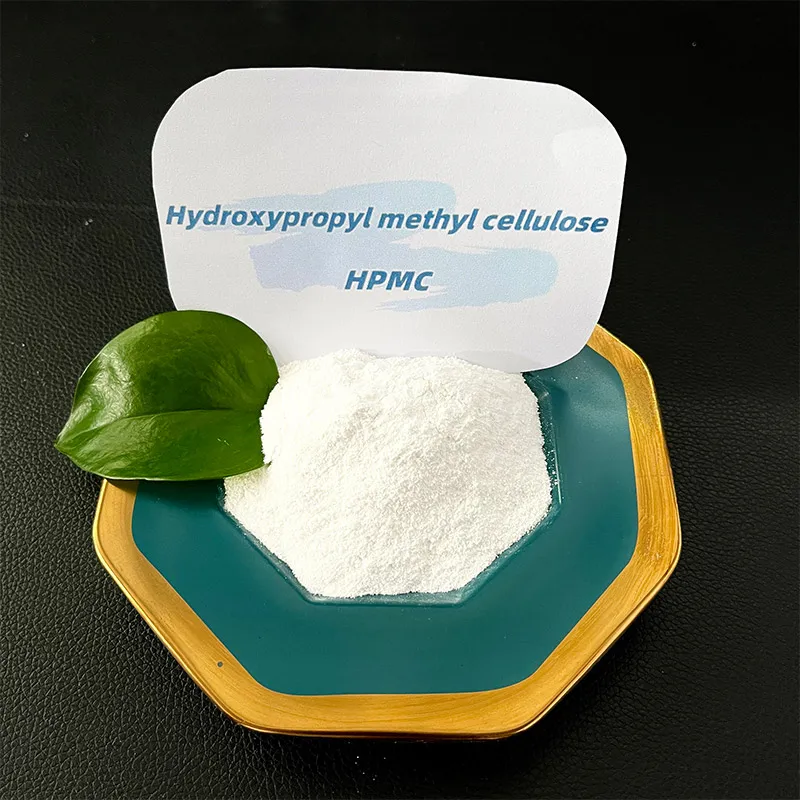
- hpmc_viscosity_table
Oct . 25, 2025
Hypromellose, also known as hydroxypropyl methylcellulose (HPMC) , is a versatile and widely used in -
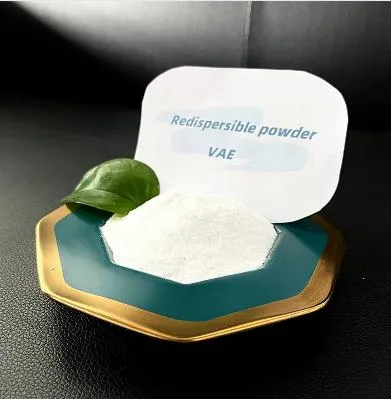 polypropylene_fiber_market
Oct . 25, 2025
When we think of modified starch , it’s often associated with food and textiles, but its application -
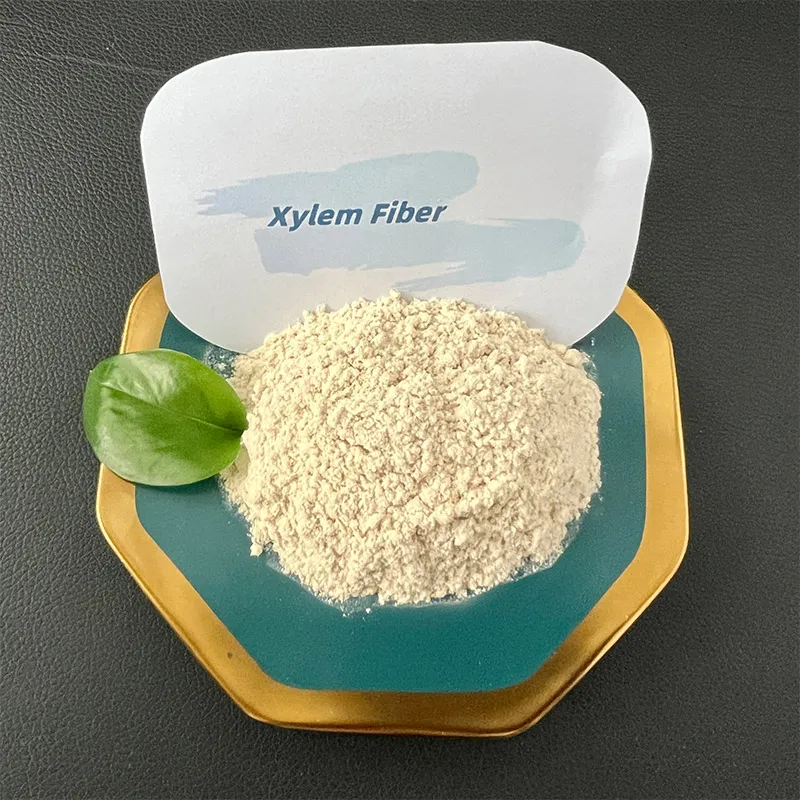 hydroxypropyl_methylcellulose_in_mortar
Oct . 25, 2025
Redispersible emulsion powder (RDP), including redispersible latex powder , polymer powder , VAE red


